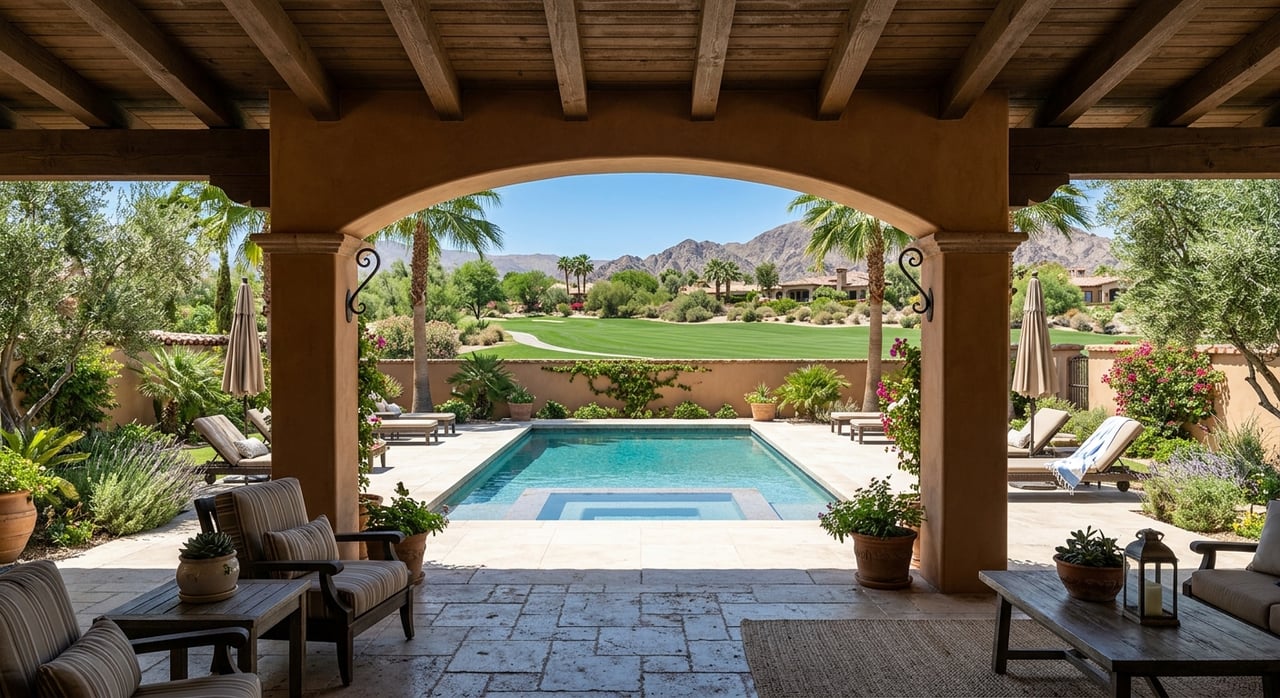
Choosing a Scottsdale-area golf community can feel simple at first. You see a beautiful course, a strong home price point, and a polished clubhouse, and it all starts to blend together. But once you look closer, the real differences show up in how the club works, what access you actually get, and whether the overall lifestyle fits the way you want to live. This guide will help you compare the details that matter most so you can make a smarter decision with more confidence. Let’s dive in.
Start With Membership Structure
The first thing to compare is how club membership relates to homeownership. In some communities, buying a home does not automatically give you club access. In others, ownership and membership may be connected in certain enclaves.
At The Country Club at DC Ranch, membership is not tied to real estate. The club currently states that it is accepting Golf Equity and Clubhouse memberships, and it offers different levels of access depending on the membership type.
At Silverleaf Club, the private club offers Golf and Clubhouse membership categories, with visits by appointment only. That structure makes it especially important to ask what each category includes rather than assuming every member has the same golf privileges.
At Desert Mountain, the model can be more layered. The Seven Desert Mountain overview notes that homeownership in that enclave is tied to club membership, subject to approval, and it outlines multiple membership paths including Full Golf, Seven Golf, and Lifestyle.
Compare What Golf Access Really Means
Not all memberships offer the same golf experience. A club may be private, but that does not mean every membership tier includes full tee-time access, practice use, or year-round privileges.
DC Ranch is a good example. Its membership materials explain that Golf members receive full golf and practice-facility privileges, while Clubhouse members receive social-facility access with limited golf access in summer. If golf is central to your lifestyle, that difference matters.
Silverleaf also shows why buyers should read the fine print. The club’s public information explains that practice-area use is primarily reserved for Golf members, while Clubhouse members have more limited access tied to scheduled rounds or lessons during the summer access window. A social-oriented membership may still include some golf, but it is not the same as unrestricted use.
Desert Mountain makes the distinction even clearer. Its Lifestyle membership excludes golf play and practice, while golf-focused memberships offer broader access. If you are comparing homes across these communities, it helps to evaluate the club structure first and the real estate second, not the other way around.
Look Closely at Practice Facilities
If you practice often, the range and short-game areas deserve just as much attention as the course itself. Practice environments can vary from a traditional setup to a full training and fitting center.
At DC Ranch, the club highlights a practice area of more than 12 acres with 55 range stations, three putting greens, and two chipping and sand practice areas. For many buyers, that kind of setup supports regular play, coaching, and skill development without leaving the community.
Silverleaf presents a more classic private-club golf setting. Its golf program centers on a Tom Weiskopf 18-hole par-72 course that plays 7,322 yards, along with scheduled golf shop, practice facility, and course hours. Amenities such as comfort stations and dining options around the course add to a more full-service club experience.
Desert Mountain offers the broadest golf footprint of the group. According to its Seven overview, the club has seven golf courses, including six Jack Nicklaus Signature designs and the No. 7 par-54 course. Its Jim Flick Golf Performance Center adds advanced instruction and fitting technology, including Trackman, Swing Catalyst, SAM PuttLab, and Quintic Ball Monitor systems.
Evaluate Clubhouse Culture
Golf communities are also social communities, and the tone of the club can shape your experience just as much as the fairways do. Some clubs feel family-oriented and active. Others feel quieter, more formal, or more appointment-driven.
DC Ranch describes its club culture as “Fun, Family and Friendliness” and positions itself as a traditional country club with a strong social calendar for all ages. The club’s 45,000-square-foot Ranch Hacienda Clubhouse, annual food minimum, and stated dress code for lunch and dinner suggest a classic club atmosphere with structured traditions.
Silverleaf feels more intimate in its public-facing messaging. The club describes a 50,000-square-foot clubhouse with spa facilities, resort and lap pools, locker rooms, and both fine and casual dining. Its programming includes wine dinners, golf outings, holiday events, painting, yoga, and meditation, which points to a lifestyle centered on more than just golf.
Desert Mountain presents the broadest lifestyle profile. The club says members have access to 8,300 acres, 3,000 acres of private hiking trails, seven clubhouses, wellness amenities, dining, and racquet sports. If your household wants a broad menu of activities, this kind of club structure can be especially appealing.
Separate HOA Amenities From Club Amenities
One of the easiest mistakes buyers make is assuming all amenities in a community come from one membership. In reality, some benefits may come through the homeowners association, while others require separate club membership.
DC Ranch is a strong example of this distinction. The master-planned community spans 4,400 acres with 26 neighborhoods across four villages and includes community amenities that are separate from country club membership. The HOA-operated Desert Camp and The Homestead provide pools, playgrounds, fitness, tennis, pickleball, splash pads, and youth spaces.
That means you should ask two separate questions when comparing communities: what comes with ownership, and what comes with club membership. This is especially important if one member of your household golfs often and another is more interested in fitness, dining, aquatics, or social programming.
Use Three Communities as Comparison Models
When you compare Scottsdale-area golf communities, DC Ranch, Silverleaf, and Desert Mountain can serve as helpful reference points because each reflects a different club model.
DC Ranch: Community Plus Club
DC Ranch combines a large master-planned setting with a separate private club structure. The community includes approximately 2,800 homes, and its identity blends neighborhood living with club-centered lifestyle options.
For buyers, the key takeaway is that the community and the country club are connected in feel, but not identical in access. You can enjoy community-center amenities through HOA assessments, while country club access depends on the membership structure.
Silverleaf: Private and Intimate
Silverleaf is a private enclave within DC Ranch, set near the McDowell Mountains and the McDowell Sonoran Preserve. Public materials emphasize the championship course, clubhouse environment, dining, spa facilities, and appointment-based club access.
That makes Silverleaf especially useful for buyers who care about atmosphere and member experience. It is not just a question of whether the club is private. It is a question of how private-club life is organized and what type of access fits your routine.
Desert Mountain: Golf-Dense and Amenity-Rich
Desert Mountain stands out for scale. Its materials emphasize seven golf courses, seven clubhouses, performance training, hiking, biking, dining, wellness, and family activities.
For buyers comparing options, Desert Mountain is often the clearest example of a multi-amenity golf lifestyle. If you want golf to be one part of a broader recreational experience, this is the type of model worth studying carefully.
Watch for What Marketing Language Misses
A polished brochure can make communities sound more similar than they really are. That is why it helps to slow down and compare the operating details.
Here are a few questions worth asking:
- Is membership tied to the property, or is it separate?
- How many membership categories are available right now?
- Does a non-golf or clubhouse membership include any golf access?
- Are practice facilities basic, expansive, or performance-focused?
- What does the social environment feel like day to day?
- Are there dress codes, annual food minimums, or appointment-only visits?
- Which amenities come from the HOA versus the private club?
- Are there renovations or updates planned that could affect the experience?
For example, DC Ranch notes that its course is preparing for a 2026 redesign. Changes like that may influence short-term use patterns and long-term value depending on your goals.
How To Choose the Best Fit
The best Scottsdale-area golf community for you is not always the one with the most famous course or the largest home. It is the one where the membership structure, practice environment, social atmosphere, and non-golf lifestyle align with how you actually plan to live.
If you are an avid player, full golf access and a strong practice setup may lead your list. If your household wants a more balanced lifestyle, pools, dining, hiking, racquet sports, and social programming may carry equal weight. And if you are considering a custom home or homesite, understanding the community structure early can help you make a better long-term decision.
When you want local guidance on golf communities in North Scottsdale, the Bob Nathan Team AZ brings deep experience in DC Ranch, Silverleaf, Desert Mountain, and the surrounding luxury market. If you are ready to compare options in a more tailored way, request a private consultation.
FAQs
How do Scottsdale golf community memberships differ?
- Memberships differ based on whether club access is tied to homeownership, what membership tiers are available, and how much golf and practice access each tier includes.
Can you join DC Ranch without buying a home there?
- Yes. The Country Club at DC Ranch states that membership is not tied to real estate.
Does a clubhouse membership include full golf access in Scottsdale golf communities?
- Not always. DC Ranch and Silverleaf both show that clubhouse-style memberships may include limited or seasonal golf access rather than full privileges.
What should you compare beyond the golf course itself?
- You should compare membership structure, practice facilities, clubhouse culture, non-golf amenities, and whether benefits come from the HOA or the private club.
Which Scottsdale golf community has the broadest golf setup?
- Desert Mountain presents the broadest golf environment in this comparison, with seven golf courses and a dedicated performance center.
Why do practice facilities matter when comparing golf communities?
- Practice facilities can shape your day-to-day experience, especially if you play often or take lessons, because clubs vary widely in range size, short-game areas, and training technology.