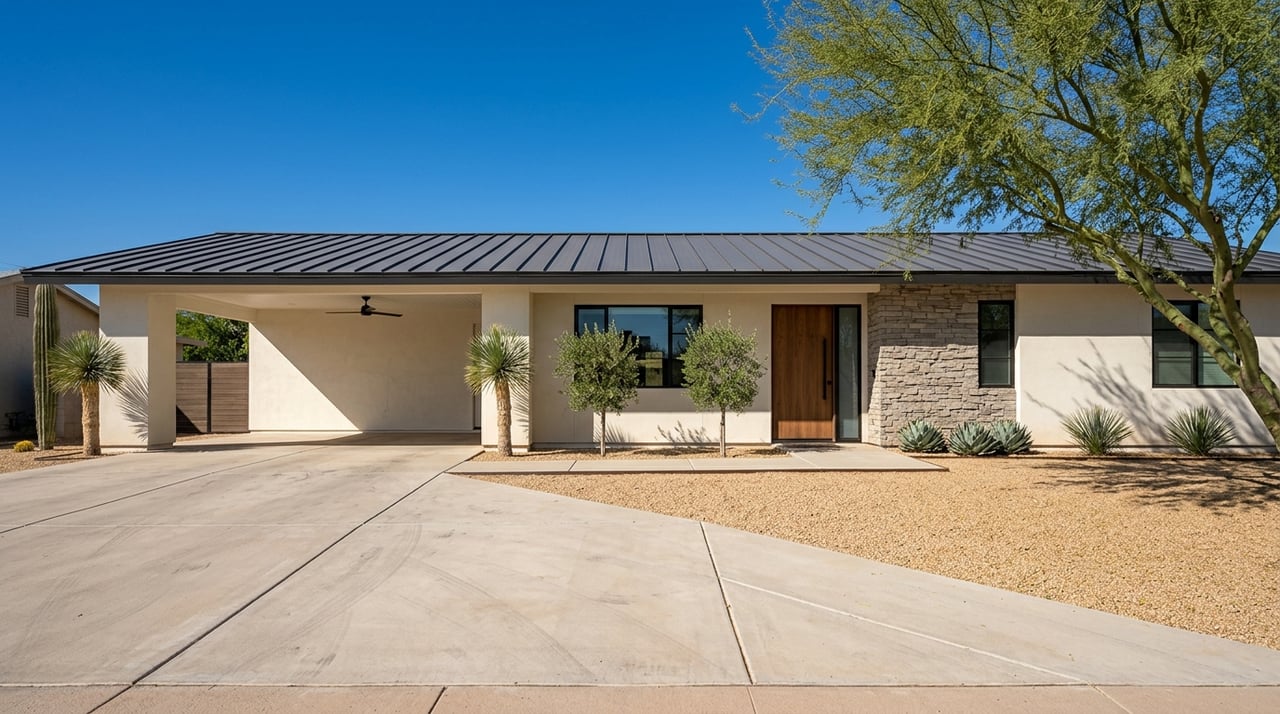
Looking for luxury in Paradise Valley means looking past square footage and finishes. What often defines the experience here is what happens once you step outside your front door: the views, the quiet, the resort access, and the easy connection to Scottsdale and Phoenix. If you want to understand how daily life in Paradise Valley actually feels, this guide will help you see the lifestyle behind the address. Let’s dive in.
Paradise Valley’s Lifestyle Foundation
Paradise Valley is a small town with a distinct identity. The town reports a land area of 15.4 square miles, a 2020 Census population of 12,658, and a 2025 estimate of 12,774. It is predominantly zoned for single-family housing and includes 9 resorts, 3 golf courses, 4 medical centers, 14 places of worship, and 11 public and private schools.
That physical setup shapes the luxury experience in a meaningful way. According to the town’s 2022 General Plan, Paradise Valley is a low-density, semi-rural residential community with a minimum lot size of at least one acre, limited commercial uses, and no industrial uses within town limits except select resort-related development and support uses. In simple terms, that means you are buying into space, privacy, and a residential setting that has been intentionally preserved.
Why Privacy Defines Daily Life
Paradise Valley’s history helps explain why the town feels so different from a more conventional suburb. The town says early residents wanted to preserve the area as residential, with a one-house-per-acre minimum and limited government intervention. Many early homes sat on large parcels, often one to five acres, and that quiet, country-like setting remains part of the town’s identity today.
For you as a buyer, that often translates into a sense of separation that is hard to replicate in denser luxury markets. Homes are not typically clustered around major retail corridors or compact neighborhood centers. Instead, the setting tends to emphasize lot size, mountain backdrops, and a more private arrival experience.
Mountain Views Shape the Experience
Outdoor scenery is not just a backdrop in Paradise Valley. It is part of the town’s core appeal. The Paradise Valley Mountain Preserve includes Mummy Mountain, Camelback Mountain, and the Phoenix Mountain Preserve area within town boundaries.
The town states that the preserve land atop Mummy Mountain is about 320 acres and is intended to protect natural landscape, desert plants, wildlife, and scenic beauty. The General Plan also notes that the Phoenix Mountain Preserve along the town’s western border is over 41,000 acres with more than 200 miles of trails, while Camelback Mountain forms an iconic landmark along the southern border. If views matter to you, this is one of the clearest ways Paradise Valley delivers lifestyle value beyond the home itself.
Outdoor Living Has a Seasonal Rhythm
Paradise Valley’s climate supports outdoor living for much of the year. The town’s visitor information notes an average of 294 sunny days annually. Its climate data reports about 7.3 inches of rainfall per year, an average July high of 104°F, and an average January low of 35.9°F.
That weather pattern shapes how many residents use their homes and the surrounding area. In warmer months, outdoor life often shifts toward early mornings, shaded afternoons, pool time, and evening dining. From fall through spring, the longer and milder days make hiking, golf, and patio use a more regular part of the routine.
Resort Culture Is Part of Local Life
One of Paradise Valley’s defining advantages is its concentration of luxury resorts and spas. The town’s General Plan says residents and visitors enjoy fine dining, golf, tennis, spa offerings, and luxury hotel accommodations. The town’s resort listings include Camelback Inn, Hermosa Inn, Kimpton Miralina Resort & Villas, Mountain Shadows, Omni Scottsdale Resort & Spa at Montelucia, Sanctuary Camelback Mountain, and Andaz.
This matters because resort access is woven into the local lifestyle. In many luxury communities, spa days or destination dining require a special trip. In Paradise Valley, those experiences are part of the town’s own identity and often close at hand.
Dining in Paradise Valley Feels Destination-Oriented
Paradise Valley does not center around a major commercial dining district. Instead, the town’s restaurant scene is closely tied to resorts and established destination venues. The town highlights options such as Lincoln Steakhouse and Rita’s Kitchen at Camelback Inn, Prado at Montelucia, Asadero Cocina and Cantina at DoubleTree Paradise Valley Resort, Lon’s at Hermosa Inn, elements at Sanctuary Camelback Mountain, El Chorro, Weft and Warp Art Bar + Kitchen at Andaz, and Hearth ’61 and Rusty’s at Mountain Shadows.
For you, that means dining often feels more curated than convenient in the strip-center sense. The experience is less about walking to a cluster of casual storefronts and more about choosing a setting, whether that is a mountain-view terrace, a resort patio, or a polished dinner spot with a sense of occasion.
Golf, Wellness, and Leisure Connect Naturally
The town’s basic facts page lists 3 golf courses within Paradise Valley. When you combine that with the town’s resort, spa, and dining profile, you get a lifestyle centered on leisure and wellness. Golf, tennis, hiking, pool time, spa treatments, and outdoor meals all fit together naturally here.
That combination is one reason Paradise Valley stands apart from more urban luxury environments. You are not choosing between privacy and activity as much as choosing a place where both can exist side by side. The setting stays residential, but the lifestyle options nearby feel elevated.
Scottsdale Access Expands Your Options
Paradise Valley offers a quiet home base, but it also benefits from its location in the heart of the Scottsdale-Phoenix metro area. The town’s General Plan states that Paradise Valley is bounded by Phoenix to the west and Scottsdale to the east. Town visitor materials also describe short drives to memorable attractions.
That location expands your day-to-day options without changing the residential character of the town itself. You can enjoy a more secluded home environment while staying close to major shopping, arts, dining, and entertainment destinations.
Old Town and Fashion Square Add Energy Nearby
For buyers who want calm at home but access to activity, nearby Scottsdale plays an important role. Scottsdale’s tourism department describes Old Town Scottsdale as the city’s cultural, historic, commercial, and tourism center, with restaurants, galleries, museums, performing arts theatres, nightlife, boutique retail, public art, civic spaces, and events in a walkable district.
For performing arts, Scottsdale Center for the Performing Arts presents dance, music, theater, and film near Old Town and the gallery districts. For shopping, Scottsdale Fashion Square describes itself as the Southwest’s destination for luxury shopping, dining, and entertainment and says it offers Arizona’s largest collection of exclusive stores and brands. In practical terms, Paradise Valley can feel quiet and residential at the end of the day while still keeping Scottsdale’s cultural and retail energy within easy reach.
What Day-to-Day Living Usually Feels Like
Paradise Valley tends to suit buyers who want an estate-style environment rather than a dense, walkable urban setting. The town’s planning and history documents consistently point to privacy, low density, mountain views, and a predominantly residential character as defining features. That is a different value proposition than you would find in a mixed-use district.
Daily life here is often car-oriented. Based on the town’s limited commercial land use and resort-centered amenity pattern, many errands, meals, and social plans happen by driving to nearby destinations rather than by walking within a neighborhood grid. For the right buyer, that tradeoff is part of the appeal because it helps preserve quiet streets, larger homesites, and a more secluded atmosphere.
Why This Matters When Buying Luxury Real Estate
In Paradise Valley, lifestyle value is closely tied to setting. A home’s appeal may involve privacy, lot scale, mountain orientation, or how easily you can access trails, resorts, golf, and Scottsdale’s cultural core. Those are not secondary details. In this market, they are central to how the property lives.
That is especially important if you are comparing Paradise Valley to North Scottsdale or other luxury enclaves nearby. The experience here is less about master-planned density and more about land, views, and a residential-resort balance. Understanding that difference can help you decide whether the town aligns with how you want to live.
If you are considering a move to Paradise Valley or weighing how this setting compares with other luxury markets nearby, the right guidance can help you evaluate not just the home, but the full lifestyle around it. To start a discreet conversation, connect with Bob Nathan Team AZ.
FAQs
What makes the Paradise Valley lifestyle different from other luxury areas?
- Paradise Valley is defined by low-density residential zoning, minimum one-acre lots, preserved mountain views, resort access, and close proximity to Scottsdale and Phoenix.
What outdoor amenities are available in Paradise Valley?
- Paradise Valley includes Mummy Mountain, Camelback Mountain, and areas connected to the Phoenix Mountain Preserve, with nearby access to more than 200 miles of trails along the preserve system.
What is the dining scene like in Paradise Valley?
- Paradise Valley dining is largely destination-oriented and closely tied to resorts and established venues rather than a traditional commercial corridor.
Is Paradise Valley a walkable luxury community?
- Paradise Valley is generally more car-oriented because it has limited commercial land use and a low-density residential layout.
What kind of buyer is Paradise Valley best suited for?
- Paradise Valley often appeals to buyers who want privacy, larger homesites, mountain views, resort-style amenities, and quick access to Scottsdale’s shopping, arts, and dining scene.